


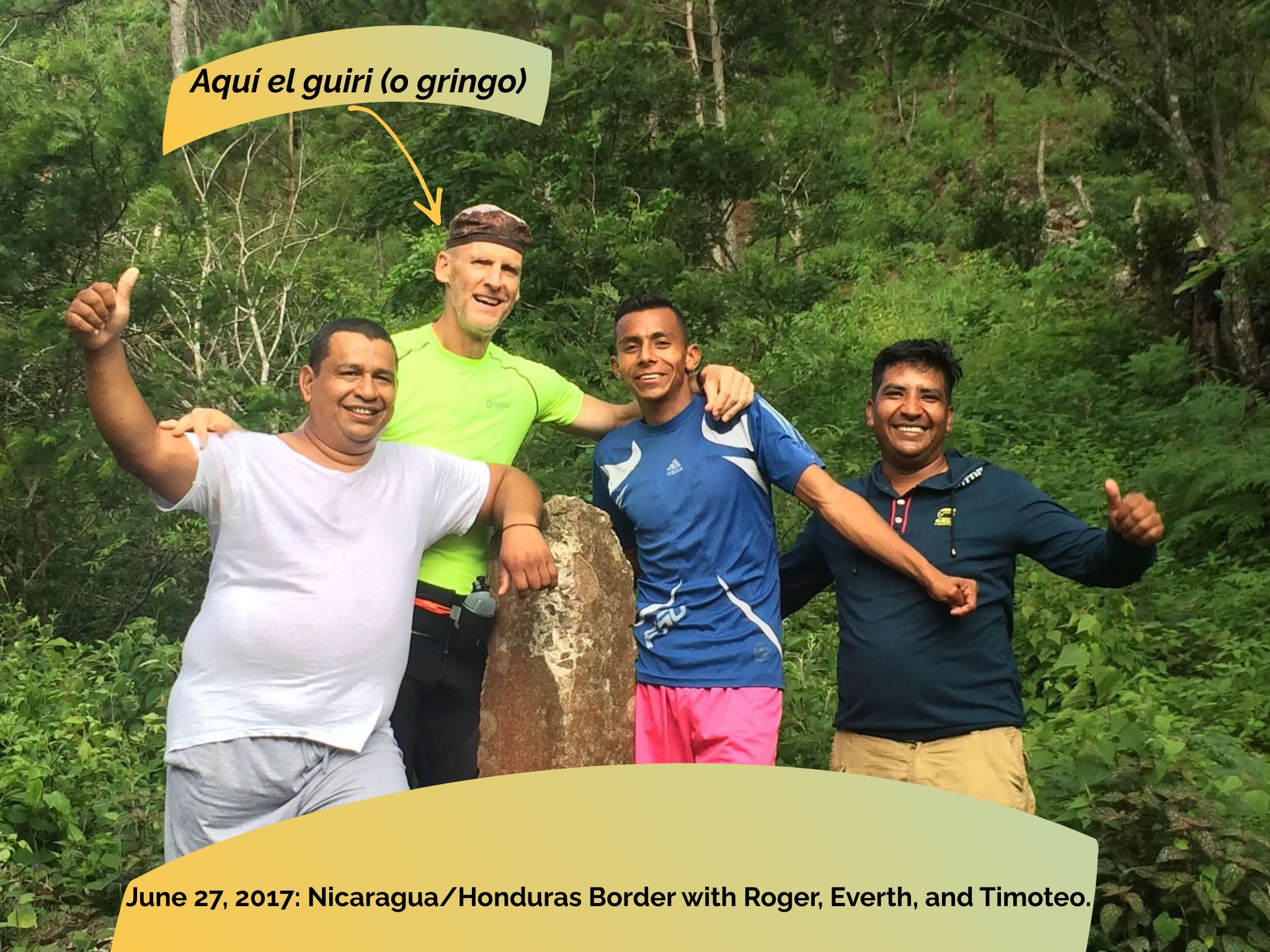
Let’s be honest for a second. We’ve all been there. You walk into the classroom, open the textbook, and hide behind grammar matrices or rigid lesson plans because it feels safe. But if you ask me, the real power of storytelling in language teaching isn’t in the syllabus—it’s sitting right there in your own life story.
When you learn how to open up and share your own experiences with your students, the whole classroom dynamic changes. You stop being just the person who explains and start creating real, human, communicative language teaching.
The real benefits of storytelling in language teaching
Dropping the anxiety barrier (and building true rapport)
You know Krashen’s affective filter, right? If your students are anxious, stressed, or bored, nothing sticks. But the moment you share a silly mistake you made while traveling, or a funny childhood memory, something clicks. You show them you’re human. That vulnerability helps lower the affective filter and builds rapport, and suddenly they aren’t afraid of making mistakes in front of you anymore.
Modeling how real language actually sounds
Let’s face it: textbook dialogues can be painfully artificial. Nobody actually talks like that on the street. When you tell a personal story, you are naturally feeding them real English—complete with natural intonation, idioms, phrasal verbs, and those little discourse markers that make speech sound authentic. They learn pragmatics without even realizing they are studying.
Keeping them hooked without forcing it
Stories hook all of us. A lesson built around a genuine narrative keeps your students hooked from start to finish. Instead of yawning over past tense structures on a whiteboard, they listen because they genuinely want to know how your story ends. The grammar is absorbed implicitly.
Quick takeaway: textbook versus story-based teaching
To put it into perspective, here is what a quick personal anecdote changes compared to standard mechanical drills:
| Classroom aspect | Traditional textbook drills | Story-based approach (Peter’s way) |
|---|---|---|
| Student motivation | Extrinsic (just doing the exercise) | Intrinsic (genuine curiosity to know more) |
| Language context | Isolated, robotic sentences | Rich, authentic, real-world input |
How to do it right (without stealing their talking time)
Now, a quick word of warning from my own experience. Storytelling doesn’t mean you get to monologue for 45 minutes while your students sleep. Good language classroom management means using your story as a bridge, not a destination. Keep it short (under 15% of the lesson), grade your language to fit their level, and always pass the ball back to them. End with a question: “…and that was my worst trip ever. What about you? Have you ever had a holiday disaster?”
If you want to work this way in your own classes, we practice it in our teacher training courses: the Trinity CertTESOL, for English teachers, and the advanced course for teachers of Spanish as a foreign language (ELE).

